Why Do Premium SUVs Need Different Maintenance Priorities as They Get Older?
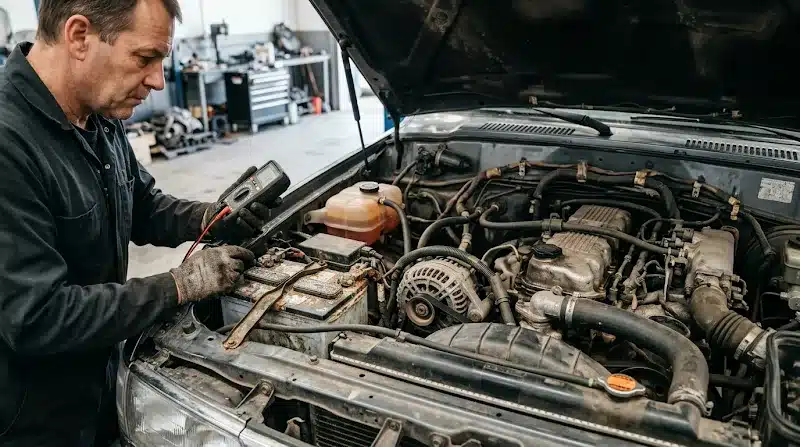
A premium SUV can feel strong and smooth for many years, but premium SUV maintenance needs change as the vehicle gets older. Parts that once needed only basic checks may later need closer attention because of age, heat, mileage, and daily use.
Older premium SUVs often need more focus on aging rubber parts, fluids, cooling systems, electronics, suspension parts, and drivetrain components. Their advanced features can also make fault checks more important.
A planned premium SUV maintenance approach helps find small issues before they turn into costly repairs and keeps the vehicle safe, comfortable, and reliable.
Why Premium SUVs Need Different Maintenance Priorities as They Age
A new SUV mainly needs regular service based on the maker’s schedule. As the vehicle gets older, mileage and wear become more important factors. Some parts may still work well but can become weaker with age.
This means service should focus on both scheduled work and the condition of older parts. A vehicle used in hot weather, heavy traffic, or dusty areas may also need closer checks.
Older premium SUVs have many systems working together, so one worn part can sometimes affect other parts. This is why maintenance priorities should change as the SUV gets older.
1. Aging Rubber and Seals Need More Attention
Rubber parts can lose their strength as an SUV gets older. Hoses, belts, suspension bushes, engine seals, door seals, and other rubber parts can become hard or cracked over time.
Heat can speed up this process, especially when the vehicle is often parked outside or driven in high temperatures.
A small crack may not cause an immediate problem, but it can later lead to a fluid leak or system failure. During older vehicle service, technicians should check these parts closely instead of waiting for visible damage or a major fault.
2. Fluids Need Condition Checks, Not Just Replacement Dates
Engine oil, transmission fluid, coolant, brake fluid, and other fluids play a key role in vehicle health. Following the correct replacement interval is important, but older SUVs may also need checks for leaks, color changes, contamination, and low fluid levels.
A transmission that has covered many kilometers may behave differently from a new one. Old coolant can also reduce cooling protection.
Checking fluid condition can help reveal problems that a simple service may miss. Using the correct fluid for each system is also important because premium SUVs can have specific fluid requirements.
3. Cooling Systems Become More Important With Age
A healthy cooling system helps control engine temperature during normal driving and heavy use. As an SUV gets older, the radiator, coolant hoses, water pump, thermostat, cooling fan, and related parts can wear out.
A small leak may slowly reduce coolant levels and increase engine heat. In hot areas, this can place extra stress on the cooling system.
Older SUVs should therefore receive regular cooling system checks. Looking for leaks, weak hoses, blocked areas, unusual temperature changes, and fan problems can help prevent serious engine damage.
4. Suspension Wear Can Change Ride Quality
Premium SUVs are designed to provide a smooth and stable ride, but suspension parts wear with use. Shock absorbers, control arm bushes, ball joints, links, mounts, and other parts can become weak as mileage increases.
Drivers may notice more body movement, uneven tire wear, steering changes, or noise over rough roads. Some SUVs also use air suspension, which adds more parts that may need attention as the vehicle ages.
Checking the full suspension system helps identify worn parts before they affect handling, tire life, or driving comfort.
5. Brakes May Need More Detailed Checks
Brake maintenance becomes more important as an SUV gets older because many parts can wear at different rates. Brake pads and discs are easy to check, but calipers, brake hoses, sensors, and other parts also need attention.
A vehicle that is driven often in city traffic may use its brakes more than one that spends most of its time on open roads.
Warning signs such as vibration, pulling, squealing, or a longer stopping distance should not be ignored. Regular brake inspections can help find wear before it becomes a safety concern.
6. Electronics and Sensors Need Closer Inspection
Modern premium SUVs depend heavily on electronic systems. These can include parking sensors, cameras, driver assistance features, climate controls, infotainment systems, electronic locks, and many engine sensors.
As the vehicle ages, wiring, connectors, batteries, sensors, and control units may develop faults. Sometimes the issue is not a major component failure. A loose connection or weak battery can cause several warning messages.
Proper fault scanning combined with physical checks can help find the real cause. Replacing parts without checking the source of the fault can lead to unnecessary repair costs.
7. The Battery and Charging System Become More Important
An older SUV can place a high demand on its battery because of its many electrical systems. A weak battery may cause slow starting, warning lights, sensor errors, or strange electronic behavior.
The charging system also needs attention because the alternator must supply enough power while the vehicle is running. Battery age, voltage, charging output, and electrical connections should be checked during regular service.
This is especially useful before long trips. A simple battery test can sometimes prevent a roadside breakdown caused by a part that had been showing signs of weakness for some time.
8. Drivetrain Parts Need Preventive Checks
Premium SUVs often have complex drivetrains that may include automatic transmissions, transfer cases, differentials, and four-wheel-drive systems. These parts can become more sensitive as mileage increases.
Fluid leaks, worn mounts, damaged seals, or unusual noises can point to developing problems. Ignoring a small drivetrain issue may allow wear to spread to other parts.
Older SUVs should receive checks for fluid condition, leaks, vibration, shifting behavior, and unusual sounds. Preventive checks are often easier and less expensive than dealing with a major drivetrain repair after a complete failure.
Also read: Car Registration Renewal in Dubai – Complete Guide
Choosing the Right Workshop for Older Premium SUV Maintenance
An older premium SUV benefits from a workshop that can handle both mechanical and electronic problems.
Before booking service, owners should look for technicians who understand the vehicle’s systems and can carry out proper inspections rather than only basic oil changes.
For owners looking for car service in Abu Dhabi, Al Zaabi Autocare can provide direction for getting professional vehicle maintenance and repair support.
A proper inspection should cover the areas that match the SUV’s age, mileage, driving conditions, and service history.
Conclusion
Premium SUV maintenance priorities change as the vehicle ages because wear does not affect every system at the same rate. Rubber parts, fluids, cooling systems, suspension, brakes, batteries, electronics, and drivetrain components can all become more important over time.
Driving conditions and service history also help determine what needs attention first. Regular inspections can catch small problems before they become major faults.
For older vehicles, choosing a workshop that understands both mechanical and electronic systems can make maintenance more effective and help keep the SUV safe, comfortable, and dependable.