What New Dubai Residents Should Know About the City’s Fitness Culture

Dubai has one of the highest gym membership rates per capita in the world, and for new residents, that energy is immediately noticeable. Dubai fitness culture is active, diverse, and woven into daily life in ways that might surprise you. Getting your bearings early, understanding how people train, where they go, and what actually works long-term in this climate, will save you a lot of trial and error in your first months.
How Does Dubai’s Fitness Scene Actually Work?
Dubai’s approach to staying active is shaped by two things: extreme summer heat and an expat-majority population hungry for structure and community. Gyms are not just places to lift weights: they are social anchors, especially for people who have just relocated.

What Makes Dubai’s Gym Culture Different?
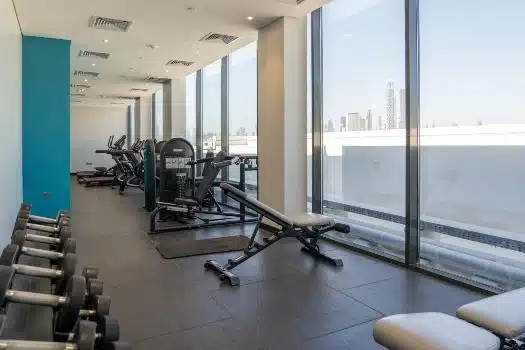
The range is wide, and the standard is generally high. You will find everything from five-star hotel health clubs to no-frills 24-hour boxes, boutique studios focused on a single discipline, and large chains with multiple branches across the city. Prices vary sharply: a basic membership can start around AED 200 per month, while premium clubs can run five to ten times that.
For new residents still mapping the city, it helps to know that most fitness hubs sit close to major lifestyle destinations; Al Seef, for instance, is a waterfront district worth understanding early on, since several gyms and outdoor tracks cluster around Dubai Creek’s walkable stretches.
Do People Really Work Out Outdoors in Dubai?
Yes, but only in the right months. From October through April, outdoor fitness is genuinely excellent. The city has invested heavily in running tracks, cycling paths, and open-air gyms along its waterfront. Jumeirah Beach Walk, Al Qudra Cycling Track, and Mushrif Park are popular among residents who prefer training outside. From May through September, the heat and humidity make outdoor exercise dangerous for most people, so activity shifts almost entirely indoors.
How Should You Approach Training as a New Resident?
Settling into a fitness routine in a new city takes time. The most common mistake new Dubai residents make is joining a gym near their office rather than near their home, then abandoning it after one month of heavy traffic. Start by mapping your commute and identifying which gym locations actually fit your real daily patterns.
Is a Personal Trainer Worth It in Dubai?
For many newcomers, hiring a personal trainer during the first two to three months is genuinely worthwhile. You are learning a new environment while building new habits — a trainer removes the guesswork and gets you consistent faster. Many turn to DubaiPT, a platform that connects you with certified coaches matched to your location, goals, and budget, which is useful when you don’t yet have local recommendations to rely on.
What About Storing Gym Equipment at Home?
Many residents who train at home invest in compact equipment: resistance bands, adjustable dumbbells, a folding bench. If you live in an apartment building, use temporary storage solutions rather than leaving bulkier items in corridors or near the elevator, where building rules typically prohibit objects in shared spaces. Alternatively, working with a coach who brings their own equipment eliminates the storage issue entirely.

What Types of Gyms Will You Find in Dubai’s Fitness Culture?
The city’s gym landscape has expanded rapidly over the last decade, and understanding the main categories helps you choose well from day one.
Women-Only Studios
Women-only fitness spaces are well-established and widely respected in Dubai. They cater to residents who prefer to train without mixed-gender environments, and several have grown into serious boutique operations with certified coaches and structured class schedules.
The broader entertainment and lifestyle district of Riverland Dubai gives a useful sense of how Dubai builds self-contained activity destinations: the same philosophy of putting everything within one accessible zone applies to how many women-only fitness clusters are designed.
Big-Box vs. Boutique: Which Is Right for You?
Large chains like Fitness First, Gold’s Gym, and Gym Nation offer broad equipment access and multi-location memberships, which is useful in a city where you might train near work one day and near home the next. Boutique studios — focused on CrossFit, Pilates, yoga, cycling, or boxing — offer smaller class sizes and stronger coaching relationships, but at a higher per-session cost. Most long-term Dubai residents end up using a combination: a big-box for convenience and a boutique for the classes they actually enjoy.
How Do Nutrition and the UAE Climate Affect Your Fitness?
Heat, humidity, and Ramadan all shape how people eat and train here. Staying hydrated is not optional: even indoors, the air conditioning in gyms can mask how much fluid you are losing during intense sessions. Electrolyte intake matters more than it does in temperate climates.
Ramadan brings a significant shift for the whole city. Gym hours change, many residents train after Iftar rather than in the morning, and meal timing adjusts around the fast. Non-Muslim residents are not required to fast, but being aware of the rhythm helps you plan workouts and nutrition sensibly during that period. According to the Dubai Fitness Challenge, the annual citywide event has drawn over 2.7 million participants in a single edition, underscoring how embedded active living has become here.

Making Dubai’s Active Lifestyle Work for You
Fitness culture in Dubai rewards consistency and a little local knowledge. The infrastructure is genuinely good: quality gyms are plentiful, outdoor routes are well-maintained during the cooler months, and the expat community is large enough that you will find a training group or class that suits your goals quickly.
The main variables, heat, traffic, and cost, are all manageable once you understand how they interact with your daily schedule. Settle in, choose a gym close to home, and give yourself six weeks: by then, the routine will feel like your own.